The world of animal conservation and welfare is a multifaceted realm, where zoos and sanctuaries stand as two distinct pillars. While both institutions can contribute to the well-being of animals, it’s worth exploring the unique missions and approaches that set them apart. In this blog post, we’ll champion the significant role of sanctuaries while recognizing that zoos, too, have their merits. Our goal is not to vilify zoos but to shed light on the questions surrounding them and emphasize the sanctuary model’s compassionate approach.
The Role of Zoos
The Purpose of Zoos
Zoos are often touted as centers for education, conservation, and entertainment. They offer an opportunity for the public to connect with the animal kingdom, fostering a deeper understanding of biodiversity. Additionally, they engage in vital conservation efforts and provide engaging experiences for visitors.
Challenges Facing Zoos
- Profit Motive: For-profit zoos sometimes prioritize financial gains over the welfare of their animal residents. There have been instances where profits from ticket sales, concessions, and merchandise have been diverted to other areas rather than animal care and conservation initiatives.
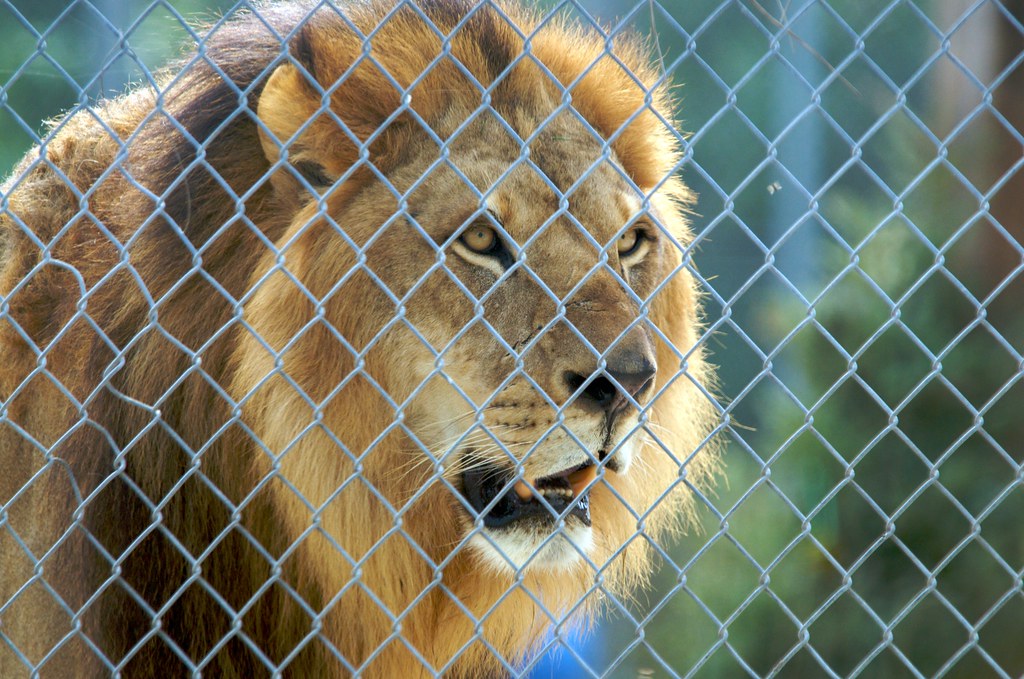
- Enclosure Size: Critics argue that not all zoos provide enclosures that adequately replicate the natural habitats of their animals. Small or poorly designed enclosures can lead to stress and suboptimal welfare for the animals.
- Ethical Considerations: The fundamental ethical question of keeping wild animals in captivity, even for educational and conservation purposes, continues to be debated. The balance between the benefits of education and the rights of animals remains a complex issue.

The Role of Animal Sanctuaries
Sanctuaries offer a different, equally valuable, and increasingly recognized approach to animal welfare:
- Rescue and Rehabilitation: Sanctuaries are dedicated to rescuing animals from neglect, abuse, and unsuitable conditions. Their mission is to provide a permanent, caring home for these animals, allowing them to live out their lives in peace.
- Transparency and Ethics: Sanctuaries emphasize transparency in their operations. Their primary goal is the well-being of individual animals, which they prioritize over profit, entertainment, or commercial breeding.
- Natural Environments: Sanctuaries strive to create environments that closely mimic the animals’ natural habitats. The emphasis is on meeting the physical and emotional needs of the animals they care for.
- Nonprofit Status: Many sanctuaries operate as nonprofit organizations. They rely on donations and grants, and their funding is directed exclusively towards the care and rehabilitation of animals.
Conclusion
Both zoos and animal sanctuaries can play crucial roles in the realm of animal welfare, contributing in their unique ways. Zoos provide valuable educational and conservation opportunities but face legitimate questions regarding their financial motivations and ethical considerations.
On the other hand, animal sanctuaries represent a beacon of hope for animals in need, offering them a safe haven and an ethical approach to care and rehabilitation. Their transparency, commitment to individual animal welfare, and dedication to creating environments that prioritize the animals’ needs serve as an inspiration for compassionate living.
In advocating for sanctuaries, our intention is not to disregard the positive work of zoos but to encourage a thoughtful consideration of their respective missions and their impact on the welfare of the animals they house. It’s an opportunity for each of us to support the ethical treatment of animals, recognizing the role that sanctuaries play in this vital endeavor.
I would like to take the time to thank you for reading this post, and encourage you to look deeper into this interesting and important topic. If after reading this you feel compelled to support animal sanctuaries, we would be grateful for your contribution. For more information about the various ways you can contribute, please click the How to Help tab.
~ Written by Chris