Rescue Dogs in the Canary Islands
12 Years in a Cage — and Finally, Freedom
This was the case for one of our two new residents: 12 years in the same cage, coming out only once every two months. The other isn’t much better off — nine years with the same sad story of neglect. Sadly, this isn’t uncommon for rescue dogs in the Canary Islands. These aren’t stray dogs; these are dogs that have already been rescued.
Due to the overwhelming number of abandoned dogs on a small island, shelters simply cannot keep up. The issue isn’t hundreds of street dogs — it’s the ignorance and lack of proper care from dog owners. Many refuse to castrate their pets, instead abandoning unwanted litters. Some puppies are left at shelter doors (the lucky ones), while others are dumped in boxes by bins or left to fend for themselves in the valleys.
Of course, not all pet owners are irresponsible. The island has many great animal lovers and vets who raise awareness, offer discounts, and provide castration assistance. Which makes it even more confusing: if help is available, why is this still such a huge problem?
Do People Really Think It’s Okay?
Unfortunately, many genuinely believe releasing dogs is kind. They tell themselves the dogs will be “free” and “happy,” and that their pet has fulfilled its natural role by having babies — avoiding what they see as an “unnecessary operation.” But they don’t imagine those same dogs struggling to find water in the heat, fighting over scraps, or dying slowly of thirst or hunger. The “lucky ones” spend years, sometimes their entire lives, in shelters waiting to be chosen.
Nature Is Not Kind to Domestic Dogs
Some argue it’s natural for dogs to have puppies and roam free. But domesticated dogs aren’t wild animals — they’ve lost the instincts and skills to survive alone. It’s not just puppies that are discarded; old dogs are too. Once they’re no longer useful for guarding or breeding, they’re often abandoned instead of given a peaceful retirement. After years of dependence on humans, they’re suddenly expected to fend for themselves — a cruel and impossible task for aging bodies.
Rescue Dogs in Canary Islands
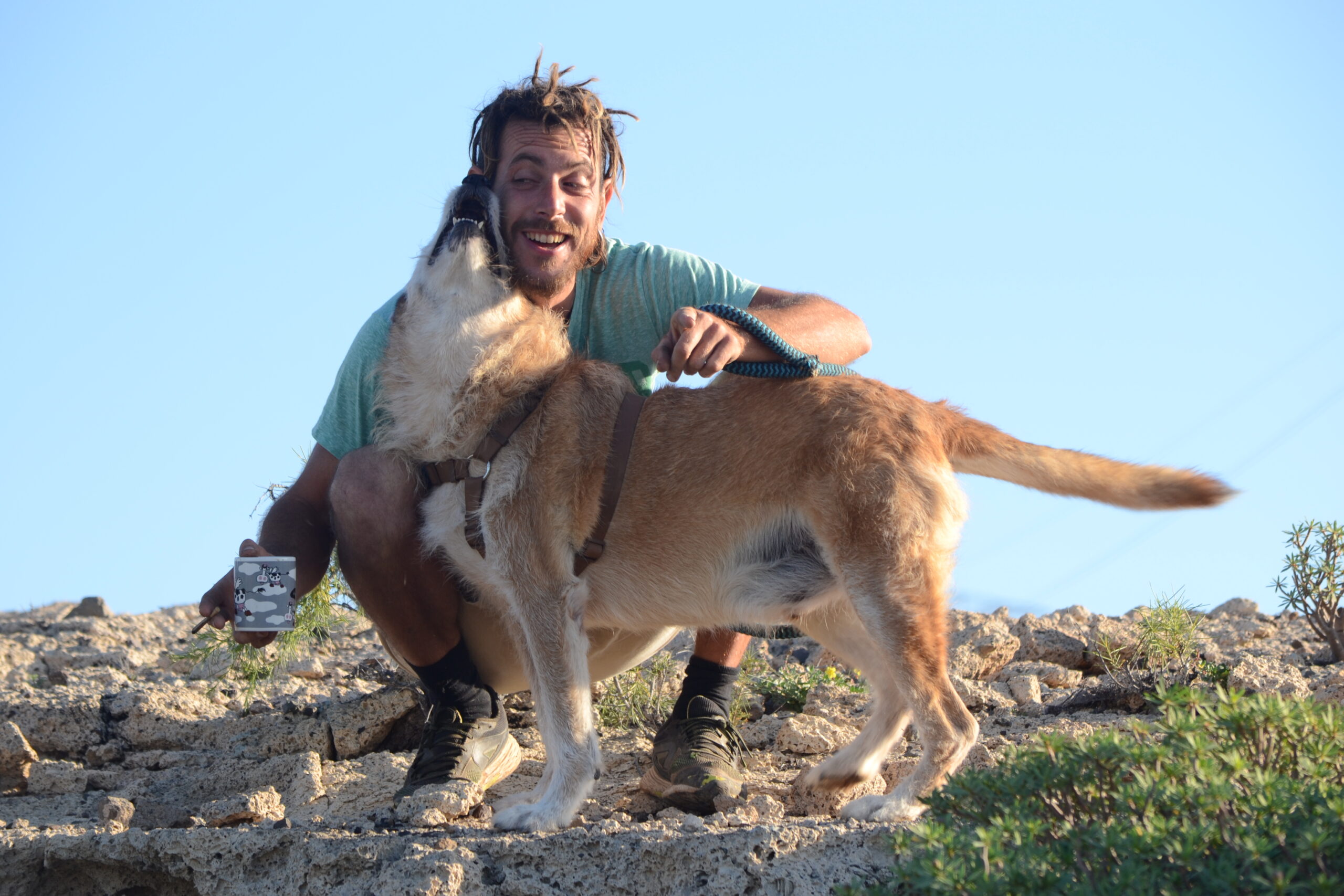
This is why shelters and sanctuaries are overflowing. Our two new rescues came from a government-run center with over 500 dogs. A kind volunteer connected us with them, and we decided we could at least offer a little happiness to a few of these elderly dogs — a chance to walk on the beach, stretch their legs, and smell something beyond kennel walls.
We met the wonderful volunteers there and toured the facility, meeting every single dog. It was heartbreaking. Together, we shortlisted six dogs who had been there the longest and could live peacefully with others. From that list came our first two residents: Porky and Lumpy.
Porky’s Story
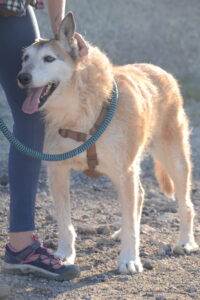
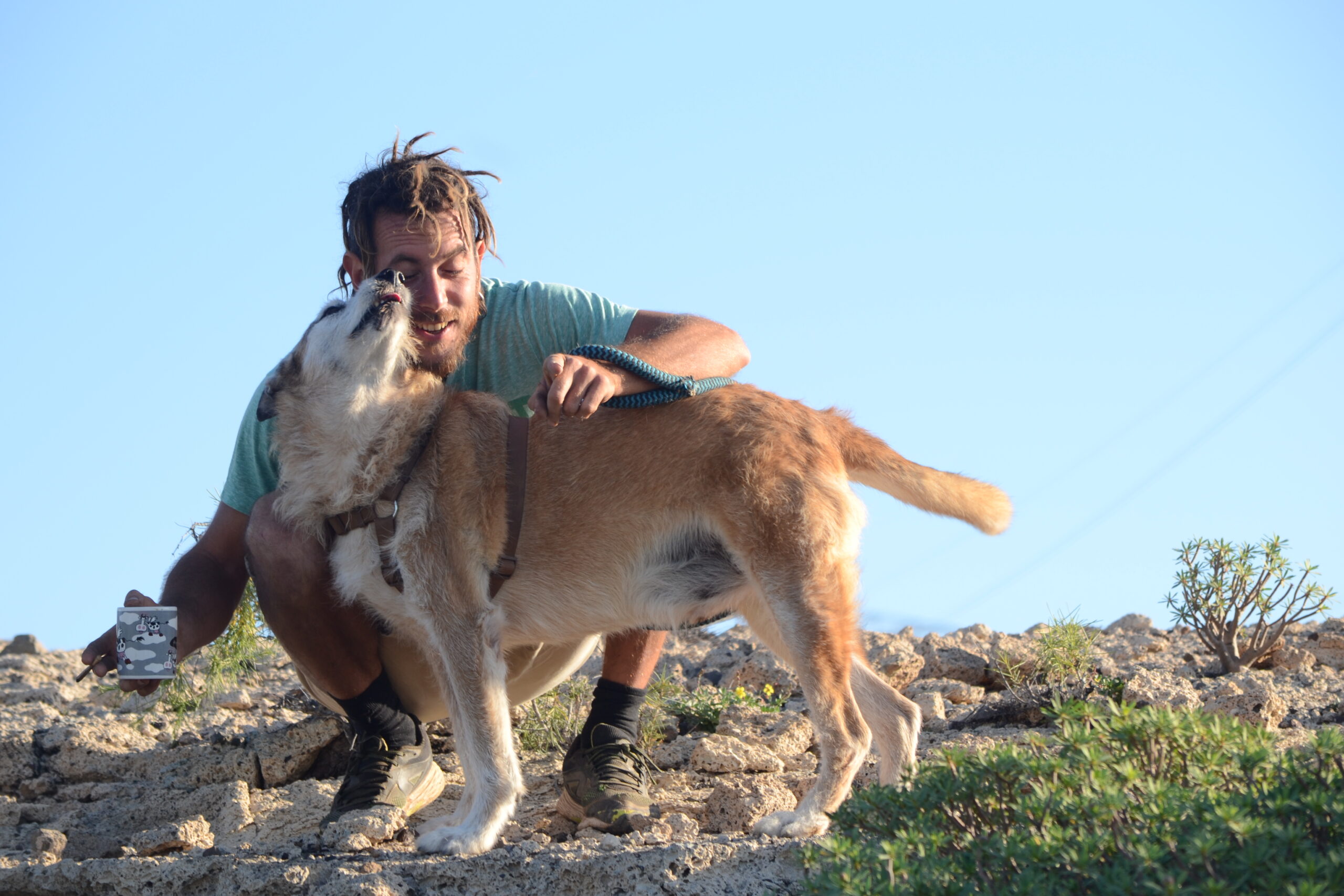
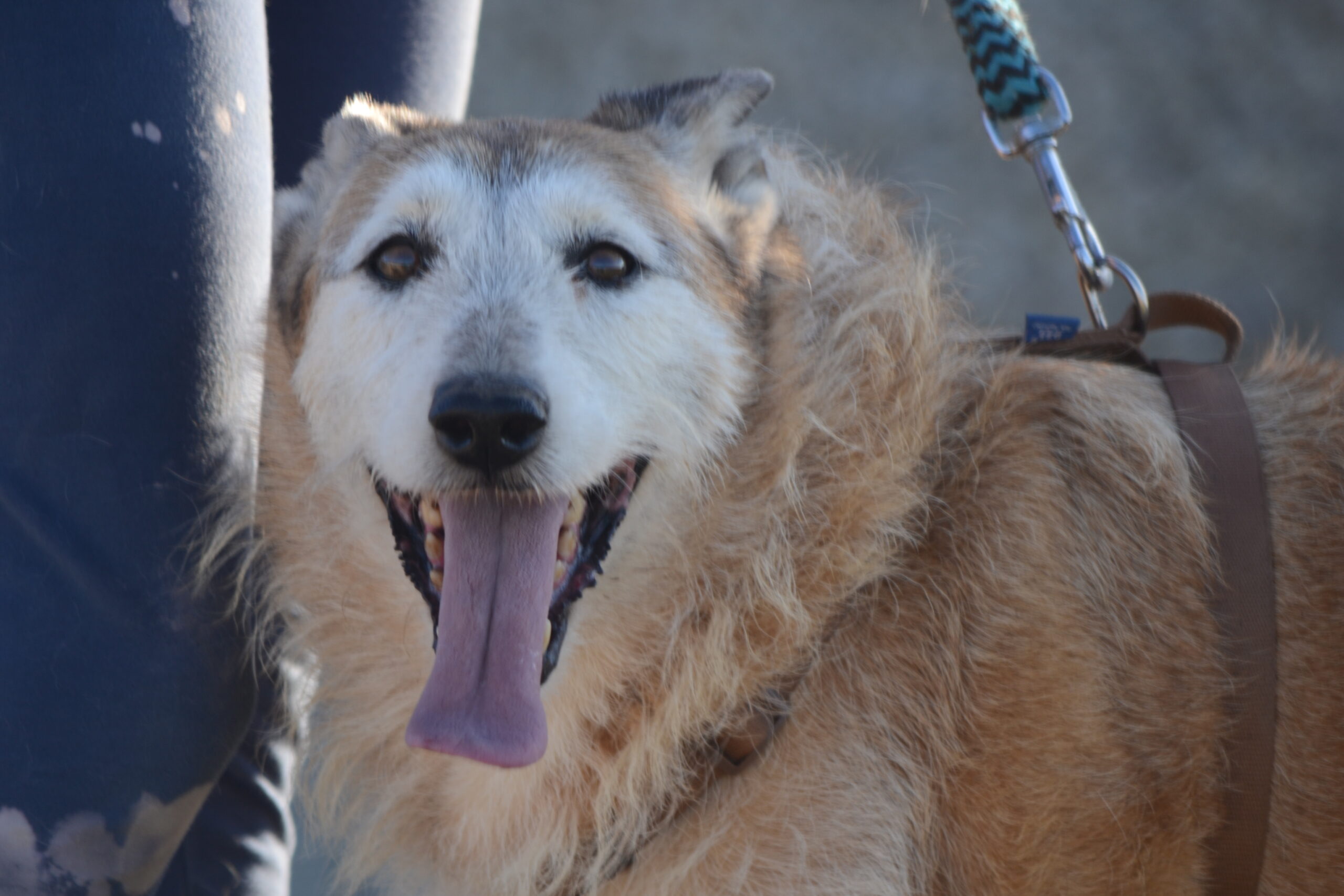
Porky earned his name from his size — at least 15 kg overweight after nine years of inactivity. Now, he’s discovering life beyond four walls. He’s excited by everything, sometimes too much (he thinks ducks are toys). But he’s overflowing with love, and we can’t believe no one chose him before.
Lumpy’s Story
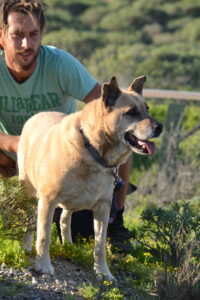
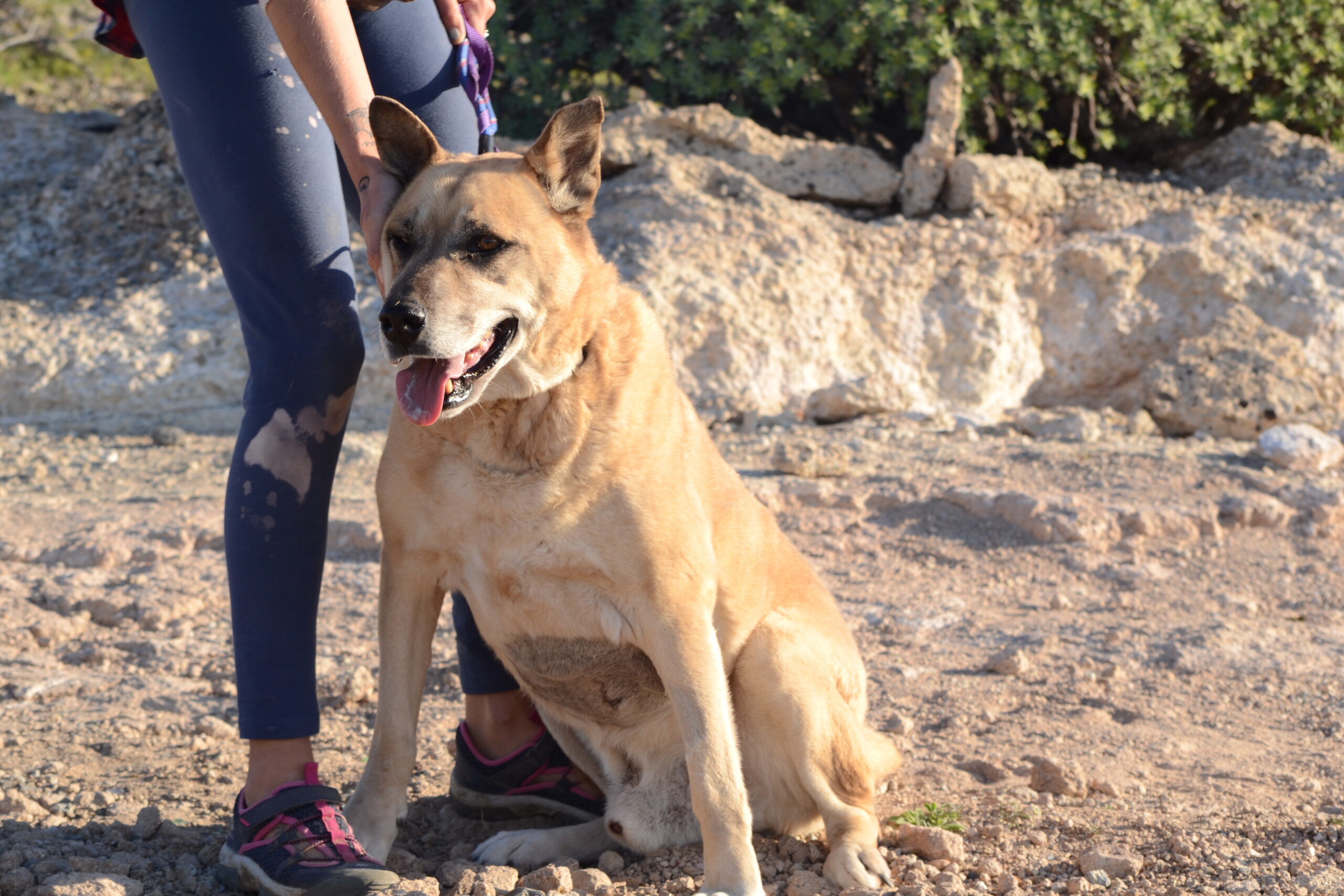
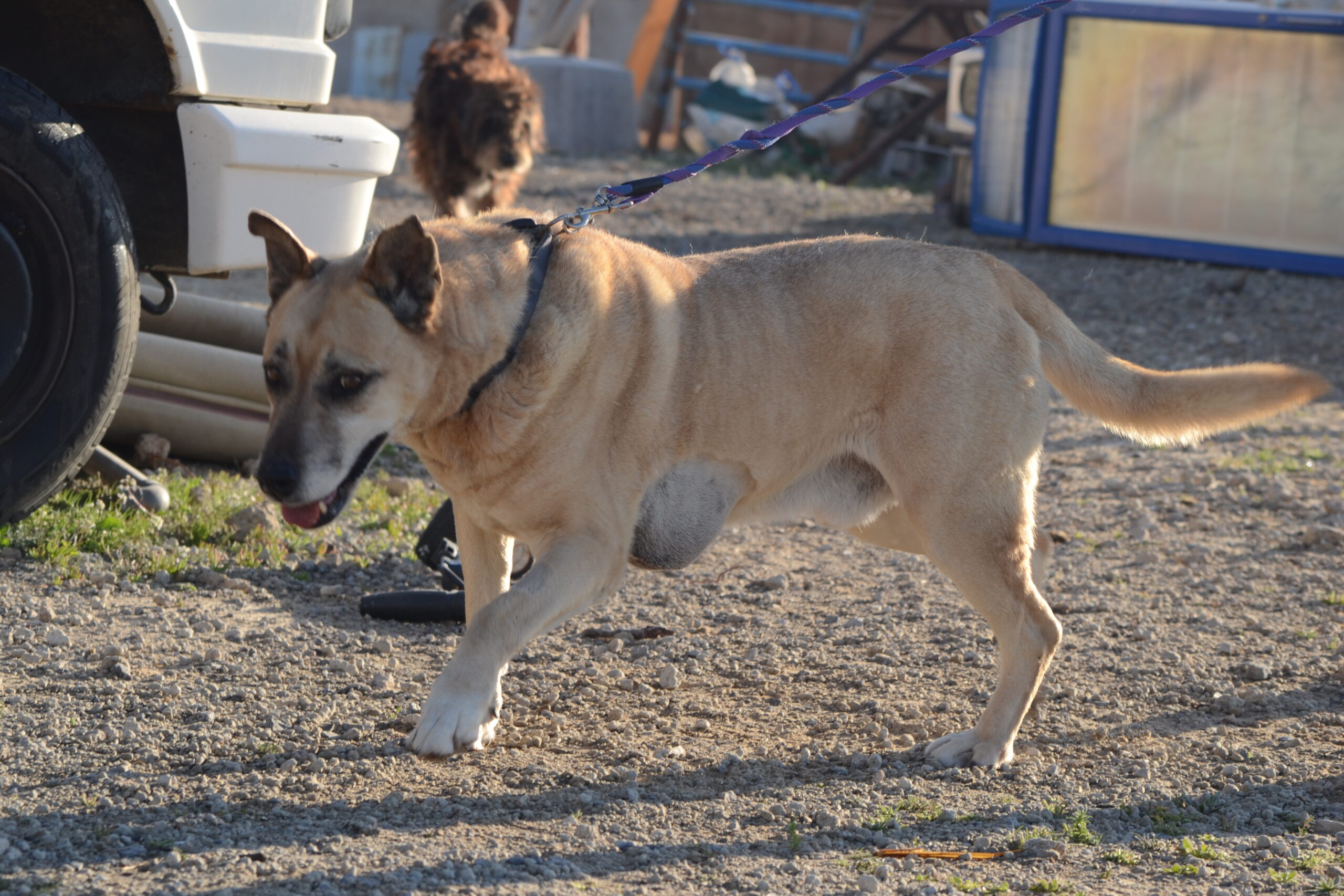
Lumpy’s name came from a large mass that developed during his 12 years in confinement. After his adoption was confirmed, vets attempted surgery, but sadly it was unsuccessful. He’s now recovering, full of energy, and acting like a puppy again despite his age. His resilience inspires us daily.
A New Beginning
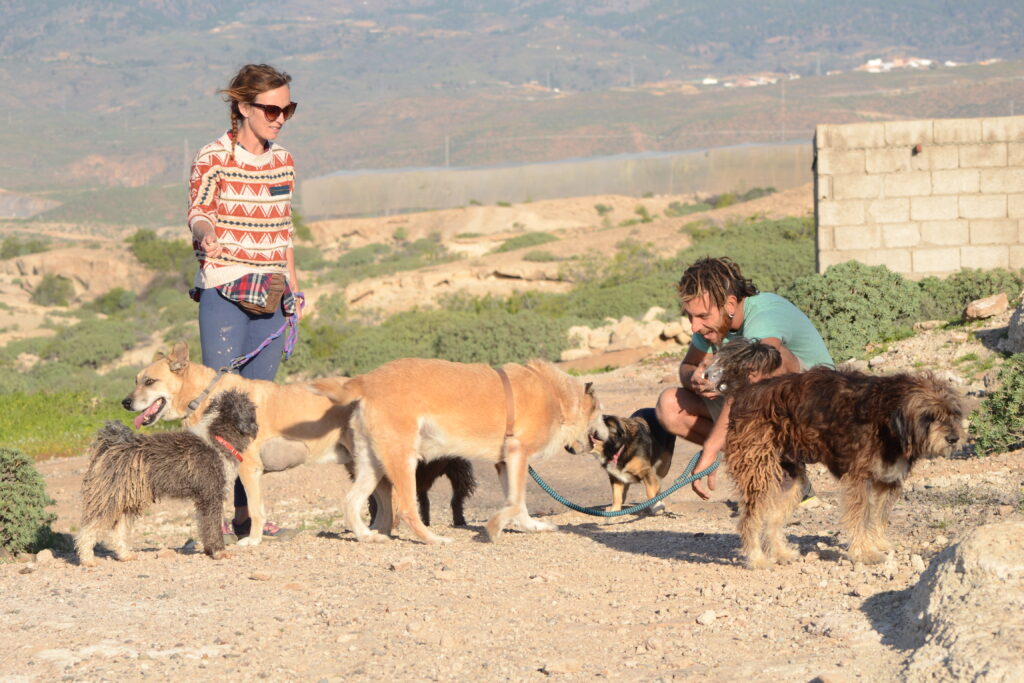
Lumpy is finishing his antibiotics, and we’re gradually increasing both dogs’ exercise and integration with the finca pack. We hope soon they’ll roam freely, enjoying their days with the volunteers and our other “oldies,” Mac and Lio.
As you can see, they already adore the other dogs and can’t wait to join them—though Porky still needs to learn that birds are not toys!
Together, We Can Do More
Unfortunately, this situation is far from over. The problem of neglected and abandoned dogs in the Canary Islands continues. But together, we can make a difference — even if it’s just for a few lucky animals at a time.
If you’d like to sponsor Porky or Lumpy, you can support them on Patreon for as little as 2 euros per month, and receive updates about their journey. You can also donate toward their rescue and treatment through the options on our How to Help page.