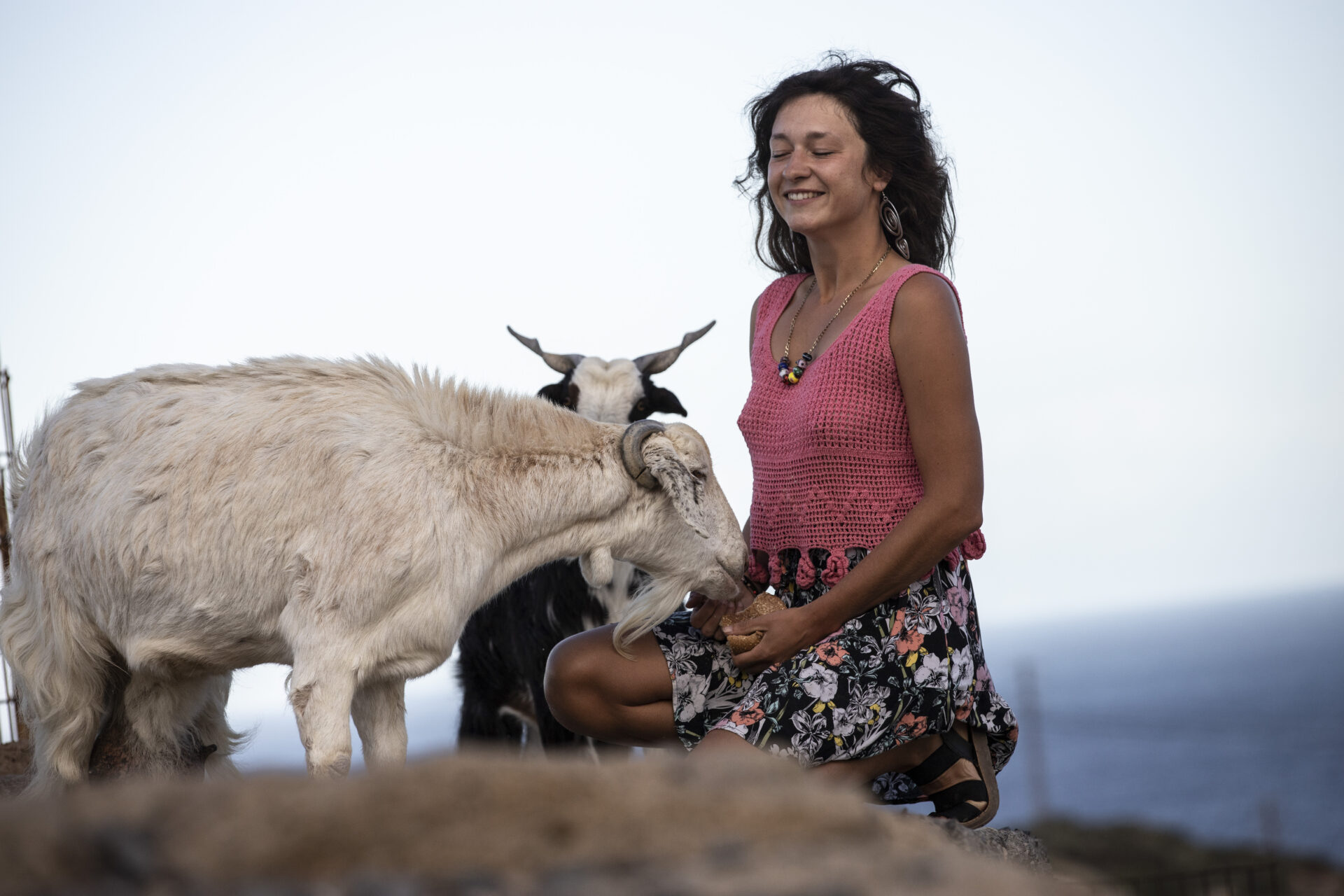
How to work with small animals is this week’s topic in “how to with Lola”.
Lola from Argentina interviews other volunteers and experts to teach us what they know. Today’s blog is about how to work with animals — and how not to work with small animals. What is the correct attitude to take, and which are the most frequent jobs that we cannot avoid when working with animals? For this, she interviewed one of our volunteers, Adriana from Poland, who has been working with us for almost half a year now and takes care of all our small animals.
As a charity and shelter for horses and animals, we receive numerous messages from people interested in coming to help for the day. We understand that there are many animal-loving people out there, and this fills us with satisfaction. But many times, loving animals doesn’t really mean knowing how to take care of them. This is why today we decided to write about how to work with animals — so that all those who want to come to give a hand to the refuge are more prepared and willing to do so. Don’t judge us, we love your help! But it’s good to know what it really means to work with small animals — since sometimes, not everything is what it seems!

Who is Ada Venture
Ada is a veterinary student who has worked at Tenerife Horse Rescue for almost half a year. Her job here is to take care of goats, sheep, cats, rabbits, pigs, guinea pigs, turtles, chickens, ducks, parakeets, and more — basically all of the animals which are not equine. There couldn’t be a better person to do this job, as she’s not only an animal lover but also very knowledgeable about their needs. She has worked with animals all around the world. You can follow her to see her amazing work!
“Small animals I take care of here are much more independent than horses. They don’t need training and human company so much, but they need attention like every other animal.”
— Ada
To work with small animals you need to be a good observer
Besides feeding, giving them water, and cleaning their cages and paddocks, Ada observes the animals and studies them a lot. This is actually the best way to know something about them — as they don’t interact with humans the way cats and dogs do. From being a good observer, you can know if an animal feels good, what food he likes, who he is friends with or dislikes. There are situations where animals can attack each other, so we need to be there to see and react.
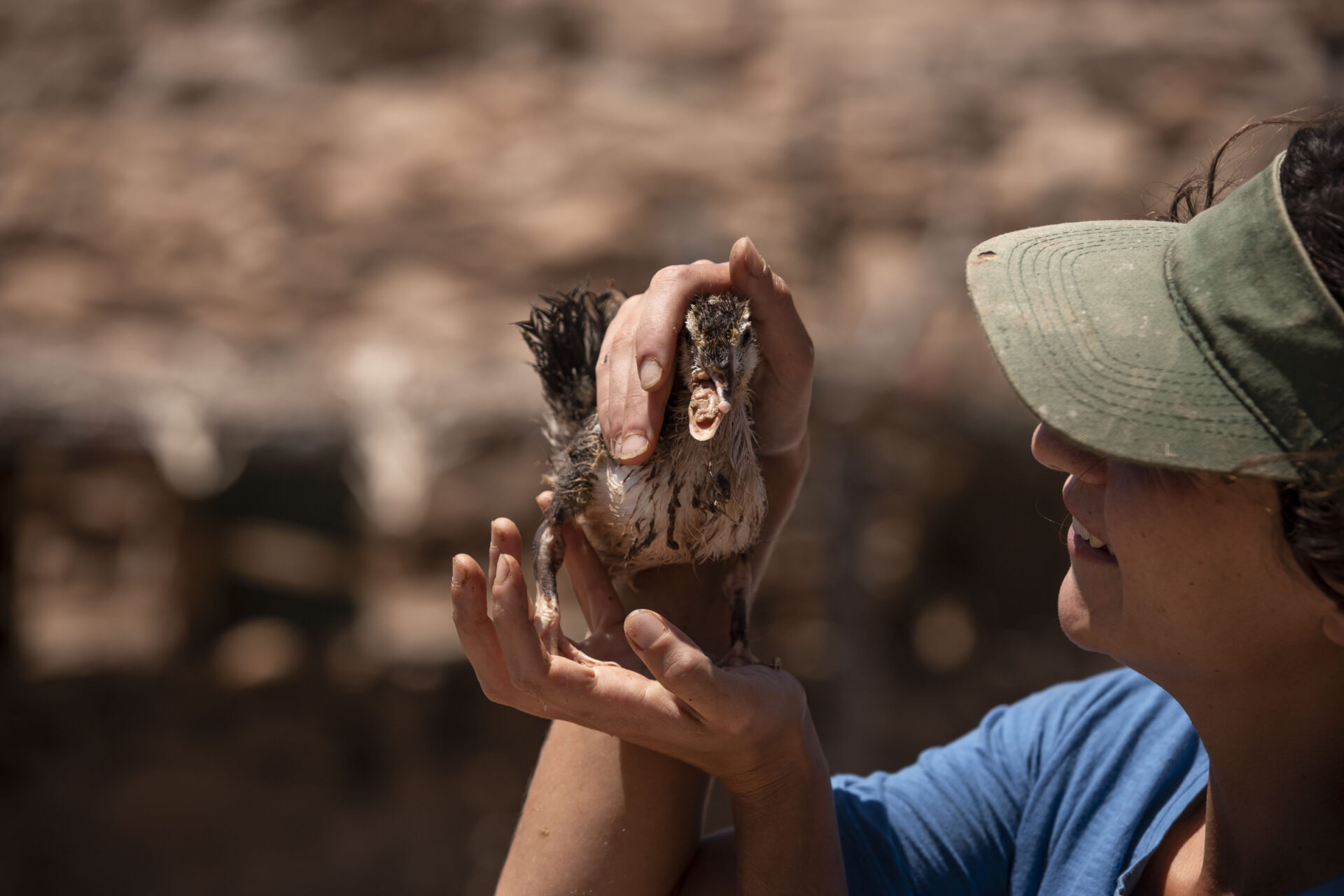
Remember that we work with rescued animals, which means most of them were not having a great time before. That’s why her mission every day is to give these animals the best life they could possibly have — paying special attention to giving them their favorite fruits and vegetables, just to watch them enjoying their meal.
“If I could think of important things that working with animals requires, it’s being open for changes as they are living creatures and being aware of what you are doing. For example, I never work with my headphones as it distracts me too much. I need to focus — to think like I was one of the animals I work with.”
— Ada
Special care animals need
First of all, it’s really important to check every cage well. You need to think about all the possible ways they could escape from the paddocks. Aware of this, Ada looks for holes in all the cages and tries to find all the traps that could possibly hurt them. It’s like being one move ahead. Since we use recycled materials for building cages, they can deteriorate faster and sometimes need frequent repairs. That’s why we check every day if the cage is in good condition. Everything has to be waterproof and rat-proof.
Another thing to keep in mind is the cage accommodations. We are located in a really hot and windy place on the island, so the animals need places with shade to hide and sleep. Most of these animals like privacy and dark places away from the sun. They also like to play, so we need to choose the correct accessories for each animal. For example, guinea pigs like running through tunnels, so we create some for them with long tubes. Cats, instead, prefer other kinds of games, so we adapt for each animal’s preference.


Empathy is a must
The days are never the same here, and if there is something wrong with one of the animals, Ada and the rest of the team are responsible for giving animals in need enough attention. As we already said, it’s not just about feeding and cleaning — we really need to be aware of the animals and not miss anything wrong with them, because tomorrow could be too late. That’s why we carefully select the right people to work with our animals. It’s the main task here. We love when volunteers truly commit to the animals and try to do the best for them. If one is cold, give him shelter; if he’s not eating, try to change the meal; if he doesn’t like his cage mates, find another one. This is empathy in action.
Volunteer for a day
We’re really grateful for all the help we receive and all the people who show interest in our animals. We meet amazing people and have great experiences. But when working with them, sometimes there are challenges. You need to understand that we already have a volunteer team that works every day with our animals — they know what to do and how. When we receive new helpers, we need to show them everything, and this requires a lot of time — sometimes even redoing tasks after them.
There’s no problem with this — we’re happy to show you how to work with animals. But even if you don’t have experience, we ask for the right working attitude. This means being open, willing, and respectful toward what we ask.
Some bad experiences with volunteers
One day (a few hours) is not enough time to learn big things about how to work with animals. So often, we ask people to help with simple tasks such as cleaning cages or walking dogs. Cleaning is a really important task — an animal can get sick if his cage stays dirty too long. That’s why we clean every day. This is the foundation of animal care, though not much “fun” — and people usually don’t want to do it. We have so many animals here that all of us clean poop daily — it’s a big part of the work.
A few weeks ago, one girl just left after 20 minutes because she thought she’d be riding horses instead of feeding or cleaning small animals. Expectations can differ greatly from reality. We work with and for animals — and it’s not easy. It requires effort, patience, and dedication. We’re not here just for fun; we’re here to help animals and give them better lives. And yes, being dirty is part of it.
“The bonus you get from gaining the trust of the animal you are working with is priceless — but it takes a lot of effort, time, and patience.” — Ada
That’s why we motivate people to start with the basics and return to learn more over time. The more you know, the easier and more enjoyable it becomes. We welcome you to join our finca family of humans and animals together.
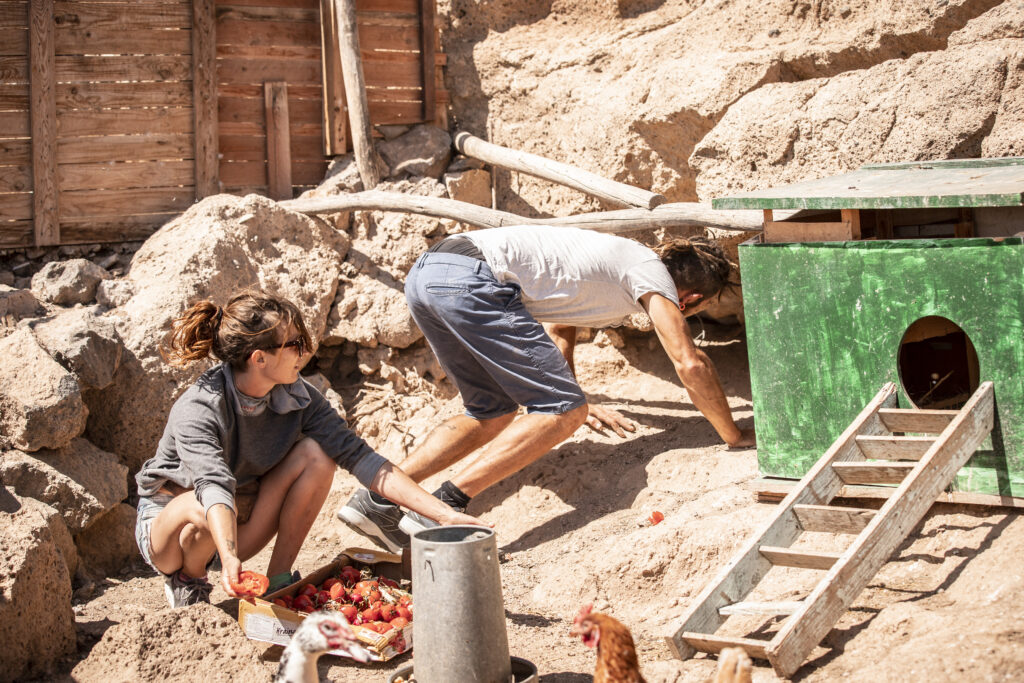
Our dedicated volunteers making a difference every day