

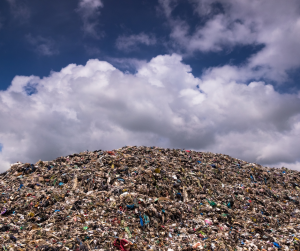
In the Chilean Atacama desert, there is a mountain. Not like Tenerife’s beautiful Teide volcano, but a mountain of discarded clothes. Unsold fast fashion from around the world gets shipped to Chile, to be dumped there. Since almost none of the textiles are bio-degradable, the mountain of clothes remains there, catching sand and more clothes. There is no easy fix to this problem: we need to change our buying behavior. How can we spend our money on clothes in a more sustainable way?
This blog delves into the need for change in buying behavior, exploring sustainable fashion practices to counteract the environmental impact and foster a more responsible approach to clothing consumption.
Reduce
In 2021, research in the Netherlands showed that Dutch people have an average of 173 clothing items in their closet. A little under one-third of those items are actually not being worn. About 40 items a year are thrown away and replaced with 46 new ones. If you take a look at your closet, how many items do you own? And could you do with any less?
The concept of a capsule wardrobe is getting more popular. The idea is simple: you select around 33 pieces of clothing — pants, shirts, skirts, coats, dresses, hoodies — excluding underwear, sports clothing, pajamas, and accessories. All items can be combined well, mixing professional and casual clothes. That’s all you need! You only replace any of those items if they are beyond repair or if you’re sure they no longer reflect your style.
If you want to replace items, make them an investment! The quality of fast-fashion items is so low that they don’t last long. Even worse, the fibres of these low-quality clothes often can’t be used in recycling. So a lot of old fast-fashion items get burned, adding to already high CO₂ emissions. If you invest in durable clothing from sustainable brands, you can wear them longer and pass them on when you’re done.
Reuse

Shopping second-hand is less convenient, but definitely more exciting! Amazing treasures can be found wedged between grandma-jackets and faded T-shirts. Not only do you save a piece of clothing from the trash, but a lot of times the profits go to charity. That’s why we run a little second-hand store here at the finca: we try to extend, reuse, or repurpose resources again and again. Any purchase you make helps the horses and other animals here live happier lives. Do you want to visit us and our charity shop? Read more here.
When donating clothes to a second-hand store, make sure they’re still in good shape. A lot of second-hand clothing that isn’t wearable gets shipped to second-hand markets in Africa. Vendors buy bales of clothing and sell the items one by one. Due to the poor condition of many clothes, profits drop, as there are fewer items good enough to sell and more rubbish in each bale.
Like in Chile, in Accra (Ghana), landfills are swamped with discarded clothing. The infrastructure there simply can’t handle the volume, leading to heaps of ripped jeans and shirts scattered across beaches — with serious environmental impact. Luckily, there are now more companies recycling clothing almost completely. Textiles are collected, sorted, shredded, and reprocessed to create new yarns used for new fabrics.
So what’s the best thing to do with the clothes you don’t want anymore? If they’re in good shape, donate them to a second-hand store. If they can’t be worn again, look for collection points that take old clothing for recycling. Some second-hand stores even do this themselves — just ask what they do with discarded items!
Repair
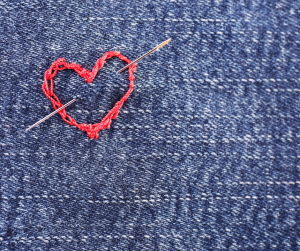
Having your clothes repaired professionally usually supports small business owners — but it’s also really fun to do it yourself! YouTube is full of tutorials explaining simple and more complex stitches and DIY fixes. You don’t even need a sewing machine; just a needle and thread.
If you want to challenge yourself, think beyond the original purpose of the item. Old T-shirts make great patchwork blankets, and making a tote bag out of ripped jeans is easy. Want to get started? Find instructions for visible and invisible clothing repairs here.
Invisible mending is the technique of repairing clothing so that it’s not obvious you’ve mended it. A very useful skill to have! But equally fun is visible mending — where you fix the item proudly, using patches or bright threads to add to its design and make it unique.
If we all agree to change our consumption behavior just a little — switching to sustainable fashion practices — we can make a big difference! Hopefully, one day, we can give the Atacama Desert back to the animals that belong there, instead of last season’s T-shirts.
~ Written by Norn